posted by GFAR
An ideal food system is one that ensures equitable access to nutritious and culturally appropriate food for all individuals, while promoting sustainable agricultural practices, preserving biodiversity, and supporting local communities. It is a system that addresses the needs of the present without compromising the ability of future generations to meet their own needs. Achieving such an ideal food system is a complex and multifaceted endeavor, requiring the collaboration and efforts of various stakeholders.
The Palestinian economic crisis, particularly in the Gaza Strip, has led to a significant deterioration across all sectors and a surge in unemployment rates. The job market’s capacity to create opportunities has become limited, impacting all job seekers, with women being disproportionately affected.
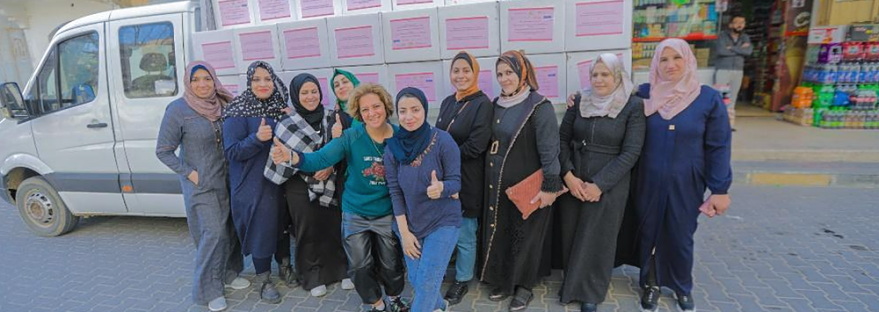
There are numerous challenges hindering women’s involvement in agriculture, food production, and the market. Despite these obstacles, within the Gaza Strip, there are more than 1500 small-scale agri-enterprises led by women. These enterprises play a crucial role in diversifying locally cultivated crops and food production. This article focuses on the efforts of GUPAP and its partners, who strive to support women farmers and provide nutritious food to vulnerable communities in Gaza. GUPAP’s work revolves around empowering farmers, endorsing local approaches, and building resilience within the Palestinian agricultural sector. By doing so, GUPAP aims to enhance the sector’s ability to withstand challenges and strengthen food sovereignty in Gaza.
The efficacy of solidarity marketing
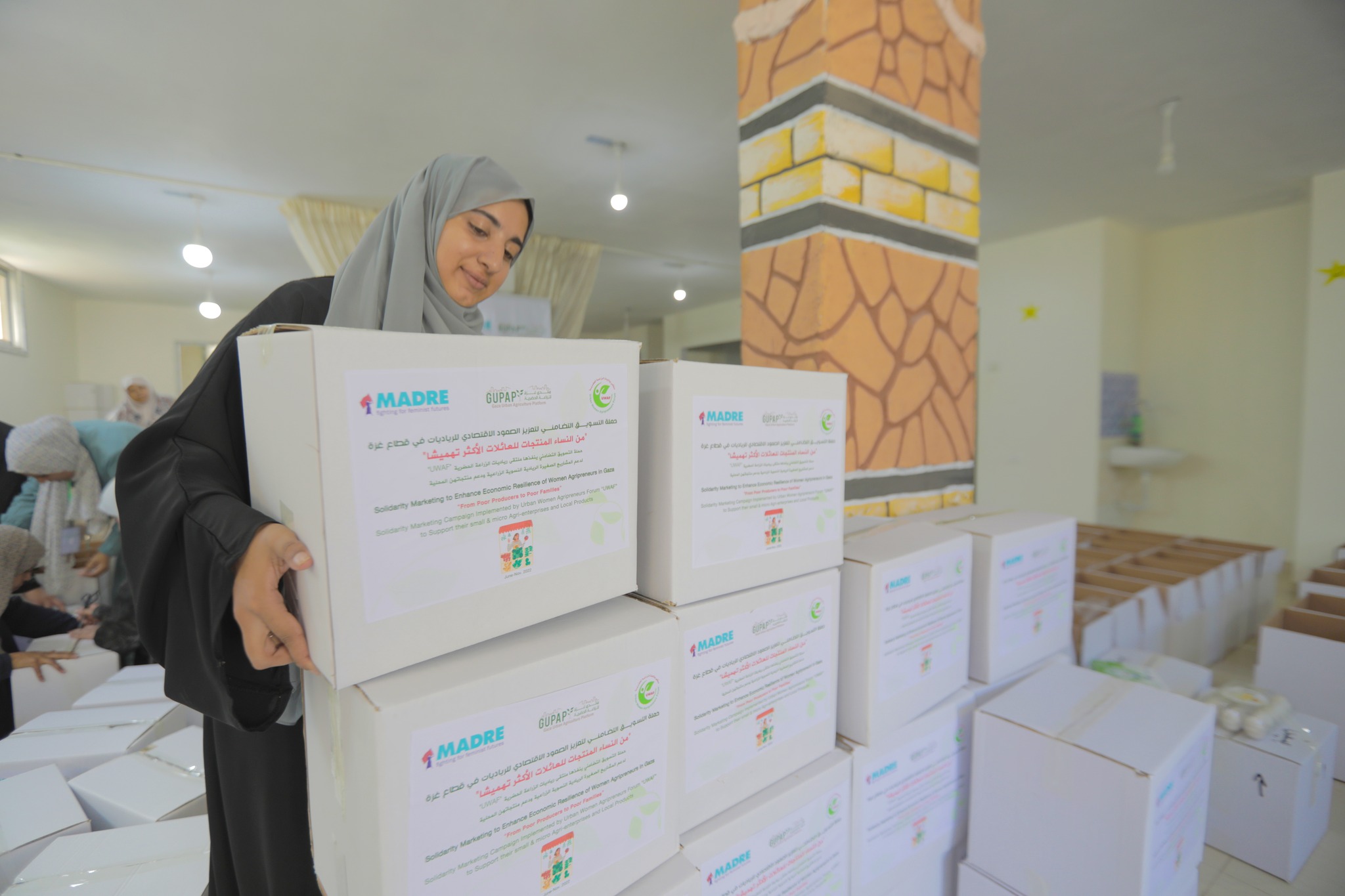
To address the obstacles faced by women agripreneurs, GUPAP has adopted community-led solidarity marketing as one of its key approaches, which aims to empower and support these women while promoting food sovereignty.
Solidarity marketing is a collaborative approach that centers around promoting and supporting local producers or marginalized groups through the purchase and distribution of their products. Its goal is to foster a sense of unity and mutual support within communities or among individuals sharing similar goals.
The first campaign
In collaboration with Sustain Australia, Global Gardens of Peace, EcoCARE Pacific Trust, and Just Food Collective Australia, GUPAP financed the first solidarity marketing campaign through a crowdfunding initiative. This campaign featured success stories of women farmers on Australian radio stations and an online event organized with the support of Free Palestine Melbourne in October 2021.
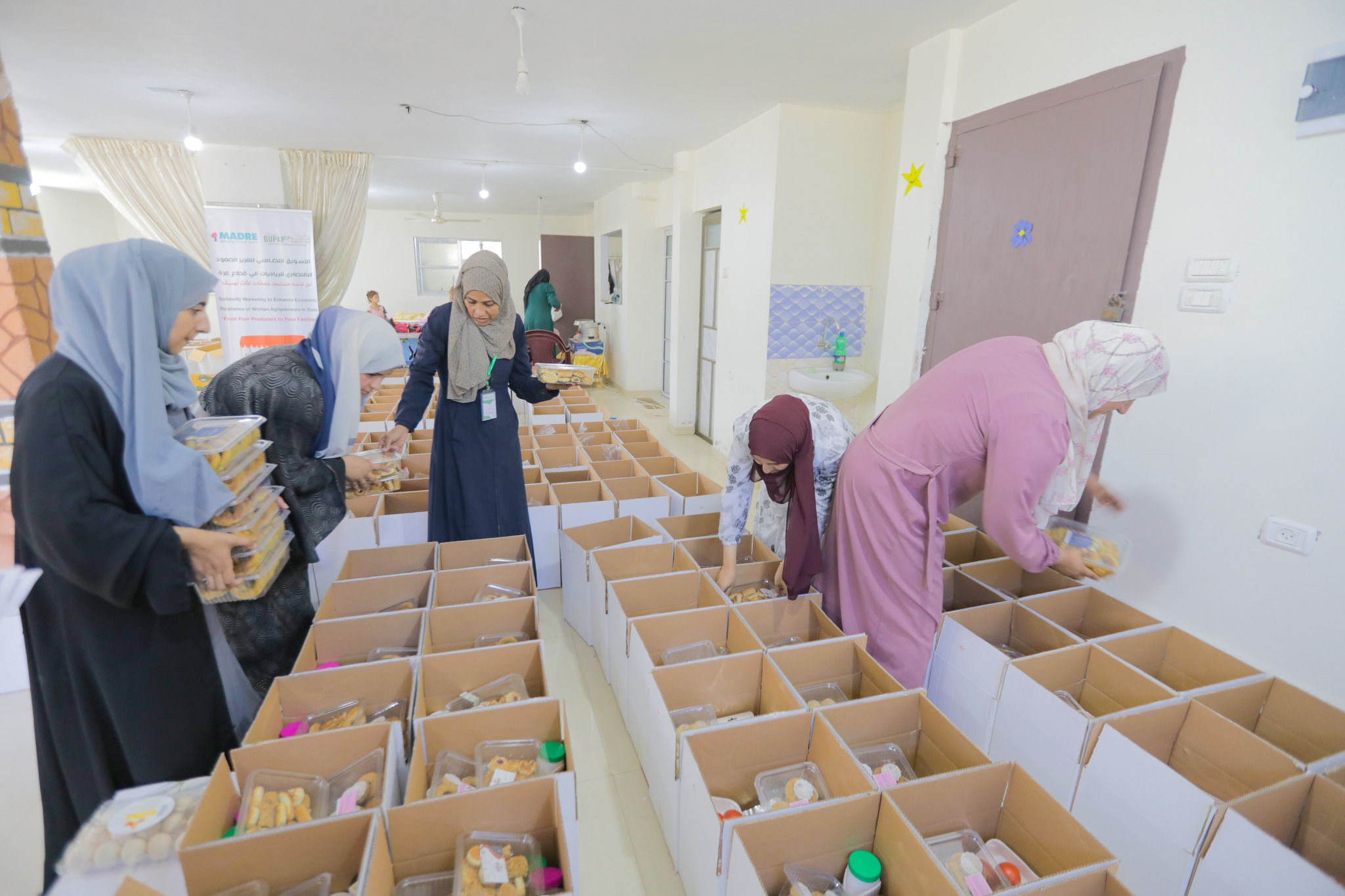
The primary objective of the campaign was to champion food sovereignty for all Palestinians by providing direct support to women agripreneurs. GUPAP utilized the funds raised to purchase products from 52 women participating in the Urban Women Agriprenuers Forum (UWAF) at fair prices. These products were then distributed to families in need, including those residing in refugee camps and hospitals. The initiative prioritized delivering healthy and nutritious food tailored to the specific requirements of affected women and families. The first campaign successfully reached over 470 women in crisis.
Results
As of mid-2023, GUPAP has completed four cycles of its solidarity marketing campaign, with the fifth currently underway. Through these cycles, approximately 1613 vulnerable families and individuals have benefited from the products of women agripreneurs (around 50 women participating in each cycle).
Twelve tons of fresh and processed foods were produced and sold by women from within this Community Led Marketing Campaign in crisis.
Also, GUPAP and UWAF have helped issue labeling statements for 110 products thanks to women agripreneurs’ rights advocacy and policy influencing,
The big picture
By supporting women agripreneurs and giving prominence to local approaches, this initiative not only empowers these women but also provides nutritious food to vulnerable communities. GUPAP’s efforts demonstrate the potential of sustainable models that improve livelihoods, enhance food sovereignty, and foster resilience in the face of crises and occupation.
Solidarity marketing not only provides economic support to marginalized producers but also cultivates a sense of community and shared responsibility. It allows consumers to actively contribute to social and economic justice by supporting local businesses and addressing the specific needs of vulnerable populations.

 blog.gfar.net